
Posts by modenacherrycr
How Medication Can Impact Your Sleep
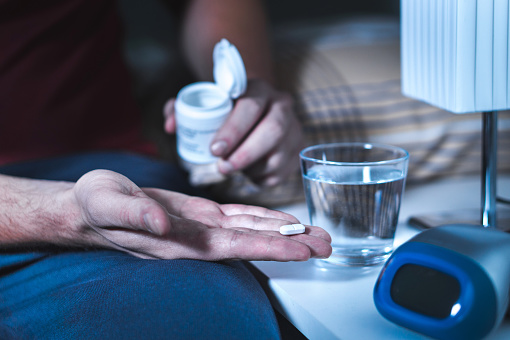
Sleep can become more sensitive with age, and certain medications commonly prescribed to older adults may interfere with healthy sleep patterns. Stimulant medications, including some used for attention disorders or breathing conditions, can make it harder to fall asleep or stay asleep. Decongestants found in many cold and allergy remedies can also stimulate the nervous…
Read MoreTips to Improve Longevity as We Age

For seniors looking to improve longevity, incorporating healthy habits into daily life can make a significant difference. Staying physically active is essential—even gentle exercises like walking, stretching, light strength training, or household chores help maintain cardiovascular health, muscle strength, and balance. Pairing movement with a balanced diet rich in fruits, vegetables, whole grains, lean proteins,…
Read MoreCognitive Speed Training and Lowering Dementia Risk

Cognitive speed training—sometimes called processing speed training—focuses on improving how quickly the brain can take in, interpret, and respond to information. This type of training often uses computerized exercises that challenge participants to identify visual details, track multiple objects, or make rapid decisions under time pressure. For older adults, maintaining processing speed is critical because…
Read MoreNo Time to Visit the Gym? Try These at Home Options Instead

For older adults who can’t make a trip to the gym or who prefer to exercise at home, there are many effective workouts that are safe, convenient, and require little to no equipment. Low-impact cardio can be done in small spaces and helps improve heart health without stressing the joints. Marching in place, gentle step-ups…
Read MoreThe Best Low Impact Exercises for Seniors

Low-impact exercises are a great way for seniors to stay active, build strength, and support overall health while being gentle on the joints. Walking remains one of the simplest and most effective options—it improves cardiovascular health, supports bone strength, and can be easily adjusted for pace and distance. Whether it’s a stroll around the neighborhood…
Read MoreBest Supplements for Older Adults

As we age, our bodies absorb and use nutrients less efficiently, making certain supplements helpful for supporting overall health. One of the most important is vitamin D, which plays a key role in bone strength, muscle function, and immune health. Many older adults don’t get enough vitamin D from sunlight or diet alone, increasing the risk…
Read MoreThe Latest Information on FDA-Cleared Blood Tests for Alzheimer’s Disease

FDA-cleared blood tests for Alzheimer’s disease represent a major advance in how the condition can be detected and evaluated. These tests measure specific biomarkers in the blood—such as phosphorylated tau (p-tau) and beta-amyloid proteins—that are associated with the hallmark brain changes seen in Alzheimer’s. Because they require only a standard blood draw, they are far…
Read MoreCan You Develop Asthma Later in Life?

Asthma can develop later in life, a condition often referred to as adult-onset asthma, and it is more common in older adults than many people realize. Unlike childhood asthma, which is often linked to allergies, asthma in seniors may be triggered by long-term exposure to irritants such as air pollution, tobacco smoke, chemical fumes, or…
Read MoreSpotting the Warning Signs of Ovarian Cancer

Ovarian cancer is often called a “silent” disease because its early symptoms can be vague, mild, and easy to mistake for everyday digestive or hormonal issues. One of the most common early warning signs is persistent bloating or abdominal swelling. Unlike occasional bloating that comes and goes, ovarian cancer–related bloating tends to be ongoing and may…
Read MoreBehavioral Changes and Dementia

Dementia doesn’t only affect memory—it often brings noticeable changes in behavior and personality that can be confusing and emotionally challenging for both the person living with the condition and those who care about them. These changes happen as the disease affects different areas of the brain responsible for judgment, emotions, and social behavior. One of…
Read More