
The Health Risks of Extreme Cold Weather
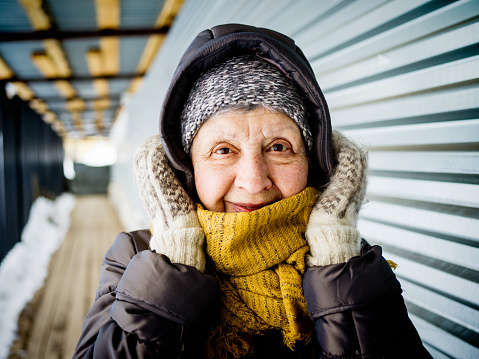
Winter brings shorter days, lower temperatures, and unpredictable weather patterns that can be especially dangerous for older adults. As the body ages, it becomes less efficient at sensing and regulating temperature, which makes it harder to stay warm in cold environments. Even brief exposure to freezing temperatures can cause the body’s internal heat to drop more quickly than expected, leaving older adults more vulnerable to cold-related illnesses.
One of the most serious risks during extreme cold is hypothermia. This condition occurs when the body loses heat faster than it can produce it, causing the internal temperature to fall to dangerous levels. Older adults may not always feel the cold as intensely as younger individuals, and certain medications or health conditions can dull the body’s natural warning signs. As a result, an older adult may develop hypothermia indoors if the heat is too low or outdoors during even a short outing in harsh winter weather.
Frostbite is another cold-weather concern, particularly for older adults with reduced circulation. Fingers, toes, ears, and the nose are especially at risk. Poor circulation, diabetes, and peripheral vascular conditions all increase the likelihood of frostbite, which can lead to permanent tissue damage if not treated quickly. Cold, windy conditions accelerate heat loss, making frostbite possible in a matter of minutes.
Winter also increases the risk of falls and injuries. Snowy or icy walkways can be difficult to navigate, especially for older adults who may already have balance challenges or mobility limitations. A slip on ice can cause fractures, sprains, or head injuries—conditions that can take longer to heal and significantly affect independence. Even inside the home, wet entryways or boots tracking in slush can create slipping hazards.
Cold weather can also intensify existing health conditions. Low temperatures place additional strain on the cardiovascular system, making the heart work harder to keep the body warm. This can increase the risk of heart attack or worsen symptoms for individuals with heart disease or high blood pressure. Respiratory conditions such as asthma, COPD, or chronic bronchitis may also flare in cold, dry air, making it harder to breathe comfortably.
Finally, extreme winter weather can disrupt daily routines and limit access to essential resources. Power outages, hazardous roads, and reduced mobility can make it difficult for older adults to obtain food, medications, or medical care. Isolation during winter storms can also affect mental well-being, especially for those who live alone.
For more information on cold weather health risks, from the American Heart Association, CLICK HERE.