
Diet Tips for Cancer Prevention
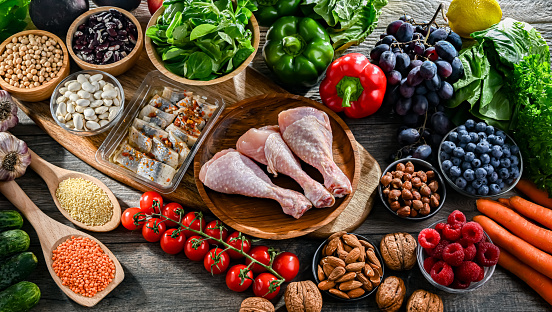
As an older adult, following a cancer-prevention diet involves not just what you eat, but also how you eat to support overall health, digestion, and nutrient absorption. Emphasizing plant-based foods—like vegetables, fruits, legumes, and whole grains—provides antioxidants, fiber, and vitamins that help protect cells from damage. Older adults should focus on variety and color in their meals, including dark leafy greens, berries, cruciferous vegetables, and brightly colored fruits, which supply protective compounds and support immune health. Smaller, more frequent meals may help maintain energy and prevent digestive discomfort.
Protein is another key component of a cancer-prevention diet for older adults. Choosing lean proteins such as fish, poultry, beans, lentils, and tofu provides essential nutrients without the added risks associated with high consumption of red or processed meats. Incorporating healthy fats from sources like olive oil, nuts, seeds, and fatty fish supports cellular health and reduces inflammation. Limiting highly processed foods, refined grains, sugary snacks, and excessive alcohol helps reduce cancer risk while supporting heart and metabolic health.
Hydration is especially important in later years, as older adults may have a diminished sense of thirst. Drinking water throughout the day and consuming hydrating foods like soups, fruits, and vegetables aids digestion and nutrient absorption. Mindful eating—focusing on portion control, chewing food thoroughly, and listening to hunger cues—can help prevent overeating and maintain a healthy weight, which is another important factor in cancer prevention. Combined with regular physical activity and routine health screenings, eating thoughtfully and intentionally as an older adult can significantly reduce cancer risk while promoting vitality and longevity.
For guidelines for diet and also physical activity for cancer prevention, from the American Cancer Society, CLICK HERE.