
Health and Wellness
Diet Tips for Cancer Prevention

As an older adult, following a cancer-prevention diet involves not just what you eat, but also how you eat to support overall health, digestion, and nutrient absorption. Emphasizing plant-based foods—like vegetables, fruits, legumes, and whole grains—provides antioxidants, fiber, and vitamins that help protect cells from damage. Older adults should focus on variety and color in…
Read MoreHow Medication Can Impact Your Sleep
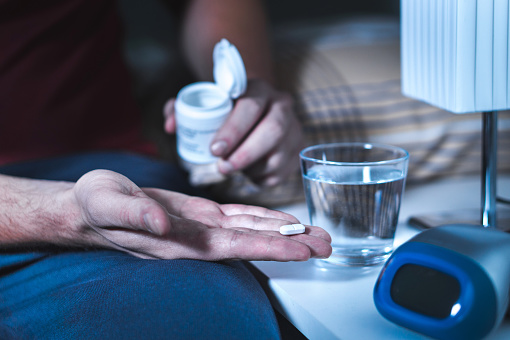
Sleep can become more sensitive with age, and certain medications commonly prescribed to older adults may interfere with healthy sleep patterns. Stimulant medications, including some used for attention disorders or breathing conditions, can make it harder to fall asleep or stay asleep. Decongestants found in many cold and allergy remedies can also stimulate the nervous…
Read MoreTips to Improve Longevity as We Age

For seniors looking to improve longevity, incorporating healthy habits into daily life can make a significant difference. Staying physically active is essential—even gentle exercises like walking, stretching, light strength training, or household chores help maintain cardiovascular health, muscle strength, and balance. Pairing movement with a balanced diet rich in fruits, vegetables, whole grains, lean proteins,…
Read MoreCan You Develop Asthma Later in Life?
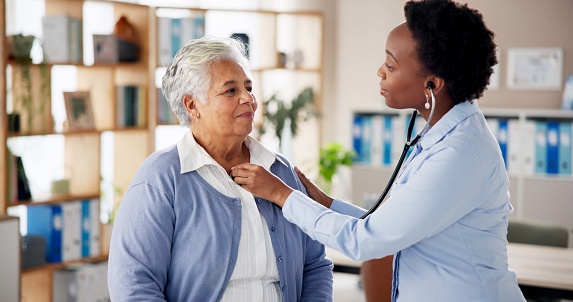
Asthma can develop later in life, a condition often referred to as adult-onset asthma, and it is more common in older adults than many people realize. Unlike childhood asthma, which is often linked to allergies, asthma in seniors may be triggered by long-term exposure to irritants such as air pollution, tobacco smoke, chemical fumes, or…
Read MoreSpotting the Warning Signs of Ovarian Cancer

Ovarian cancer is often called a “silent” disease because its early symptoms can be vague, mild, and easy to mistake for everyday digestive or hormonal issues. One of the most common early warning signs is persistent bloating or abdominal swelling. Unlike occasional bloating that comes and goes, ovarian cancer–related bloating tends to be ongoing and may…
Read MoreGood News! More People are Surviving Cancer than Ever Before
More people are surviving cancer than ever before thanks to major advances in early detection and screening. Improved imaging, genetic testing, and routine screenings are helping doctors identify cancers at earlier, more treatable stages. When cancer is caught early, treatment options are often more effective and less aggressive, leading to better outcomes and higher survival…
Read MoreGI Tract Issues in Older Adults

As people age, the gastrointestinal (GI) tract often undergoes changes that can affect digestion and overall comfort. Common issues include constipation, acid reflux, bloating, and difficulty swallowing. These changes can be the result of slower digestion, decreased muscle tone in the intestines, or side effects from medications. Because many GI symptoms can overlap or mask…
Read MoreHow to Manage Stress as an Older Adult
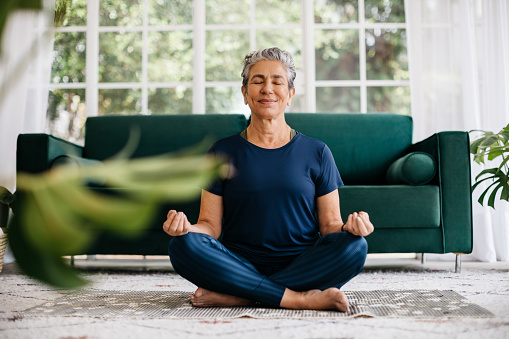
Everyone experiences stress from time to time, and that doesn’t stop as we get older. The key is finding healthy ways to manage it so it doesn’t take a toll on your mind or body. Simple daily habits—like taking slow, deep breaths, enjoying a cup of tea, or spending time in nature—can help calm the…
Read MoreHow Diet Can Help Ease Chronic Pain

Diet can play a powerful role in easing chronic pain for older adults. Certain foods have natural anti-inflammatory properties, which can help reduce the discomfort caused by conditions such as arthritis, neuropathy, or muscle stiffness. Fruits, vegetables, whole grains, lean proteins, and healthy fats are all part of a balanced eating plan that supports joint…
Read MoreThe Benefits of Physical Therapy
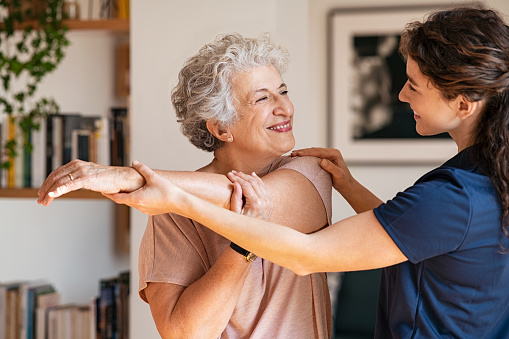
Physical therapy isn’t just for recovery after surgery or injury—it’s also one of the best ways for older adults to stay active, mobile, and independent. A physical therapist can design safe, personalized exercises that help improve strength, flexibility, and balance, making everyday activities like walking, dressing, or climbing stairs easier and safer. Preventing Falls and…
Read More