
How Diet Can Help Ease Chronic Pain
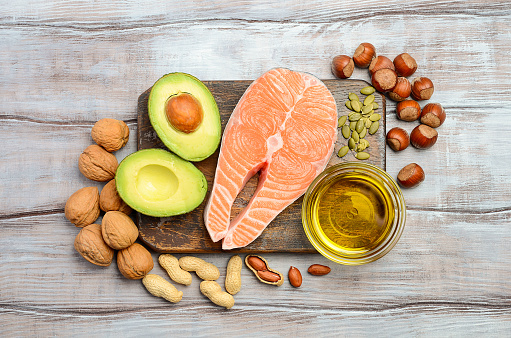
Diet can play a powerful role in easing chronic pain for older adults. Certain foods have natural anti-inflammatory properties, which can help reduce the discomfort caused by conditions such as arthritis, neuropathy, or muscle stiffness. Fruits, vegetables, whole grains, lean proteins, and healthy fats are all part of a balanced eating plan that supports joint health and overall well-being. In particular, foods rich in antioxidants—such as berries, leafy greens, and nuts—help protect the body from inflammation that can worsen pain.
Omega-3 fatty acids, found in fish like salmon, mackerel, and sardines, as well as in flaxseeds and walnuts, are especially beneficial for reducing inflammation and supporting joint function. Many older adults find that adding these foods to their weekly meals can ease stiffness and improve mobility. On the other hand, limiting processed foods, refined sugars, and saturated fats is equally important, since these items can trigger or worsen inflammation.
Staying hydrated and maintaining a healthy weight are also key factors in pain management. Carrying extra weight puts additional stress on joints, while dehydration can lead to muscle cramps and fatigue. Drinking plenty of water and focusing on nutrient-dense meals can reduce strain on the body and support long-term comfort.
For older adults, even small dietary adjustments can make a meaningful difference in how the body responds to chronic pain. While diet alone may not eliminate pain completely, combining smart food choices with other treatments—such as exercise, medication, or physical therapy—can provide a more holistic approach to managing discomfort and improving quality of life.
To read more about the connection between your diet and easing chronic pain, from a piece by AARP, CLICK HERE.