
Blog
How to Replenish Our Energy as We Age

As we grow older, it’s natural to notice changes in energy levels. The body may not bounce back as quickly as it once did, but that doesn’t mean fatigue has to be a daily struggle. One of the most effective ways for seniors to recharge their energy is by prioritizing sleep. Establishing a consistent bedtime…
Read MorePlanning a Trip? Weighing the Value of TSA Pre-Check

For many seniors, traveling through airports can be stressful, especially when it comes to long security lines and the need to remove shoes, belts, and jackets. TSA PreCheck offers a way to simplify this process by allowing eligible travelers to use shorter lines and keep on most clothing and accessories during screening. For older adults…
Read MoreAge Well with Pickleball
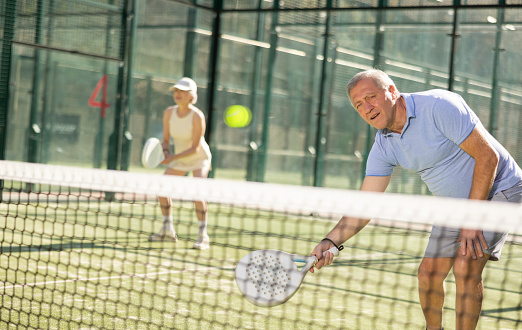
Have you tried pickleball? America’s fastest-growing sport can be found at an ever-growing number of gyms, parks and clubs in cities across the U.S. The game combines elements of tennis, badminton, and ping pong, offering a fun and engaging way to stay active without requiring the intense physical strain of other racquet sports. The smaller…
Read MoreWhat is Mild Cognitive Impairment
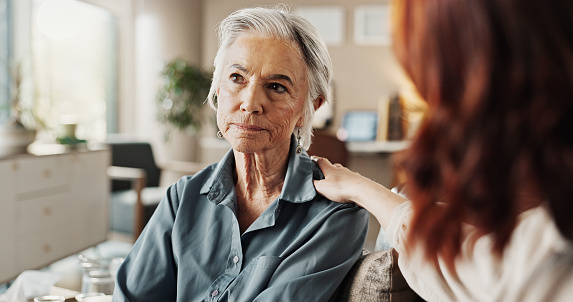
Mild cognitive impairment (MCI) is a condition characterized by noticeable changes in thinking abilities—such as memory, reasoning, or attention—that are greater than expected for a person’s age, but not severe enough to significantly interfere with daily life or independence. Individuals with MCI may forget appointments, misplace items more often, or struggle to find the right…
Read MoreThe Importance of Physical Activity for Caregivers

Physical activity plays a vital role in the health and well-being of both care recipients and caregivers. For care recipients—especially older adults or those managing chronic conditions—regular movement can help maintain mobility, strength, and balance, reducing the risk of falls and promoting independence. Even light activities like walking, stretching, or chair exercises can improve circulation,…
Read MorePsoriatic Arthritis – What it is and Tips for Treat and Manage the Condition
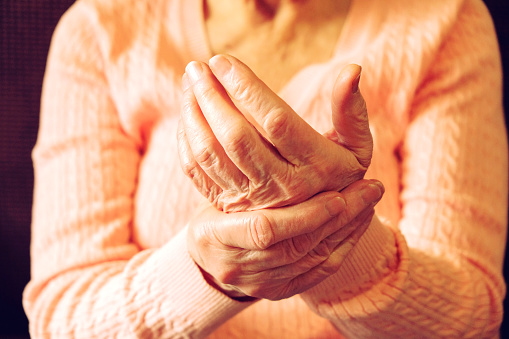
Psoriatic arthritis (PsA) is a chronic autoimmune condition that affects the joints and is commonly associated with psoriasis, a skin disorder characterized by red, scaly patches. PsA occurs when the immune system mistakenly attacks healthy tissues, causing inflammation in the joints. It can affect any joint in the body, including the fingers, toes, spine, and…
Read MoreHow Older Adults can Avoid Unnecessary Expenses

As we grow older, being mindful of our finances becomes increasingly important. Many older adults are living on fixed incomes from retirement savings, pensions, or Social Security benefits, which means every dollar counts. Avoiding wasteful spending helps ensure that these resources last longer and continue to cover essential expenses like housing, healthcare, food, and transportation.…
Read MoreWhat to Know About Parkinson’s Dementia
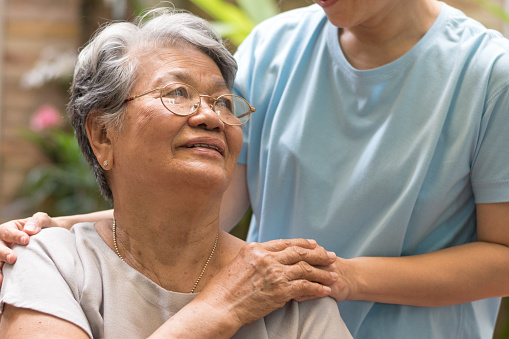
Parkinson’s dementia is a type of progressive dementia that can develop in individuals with Parkinson’s disease, typically several years after the initial diagnosis. It affects memory, thinking, and reasoning abilities, often alongside the motor symptoms of Parkinson’s, such as tremors, stiffness, and slow movement. People with Parkinson’s dementia may experience confusion, visual hallucinations, trouble concentrating,…
Read More